

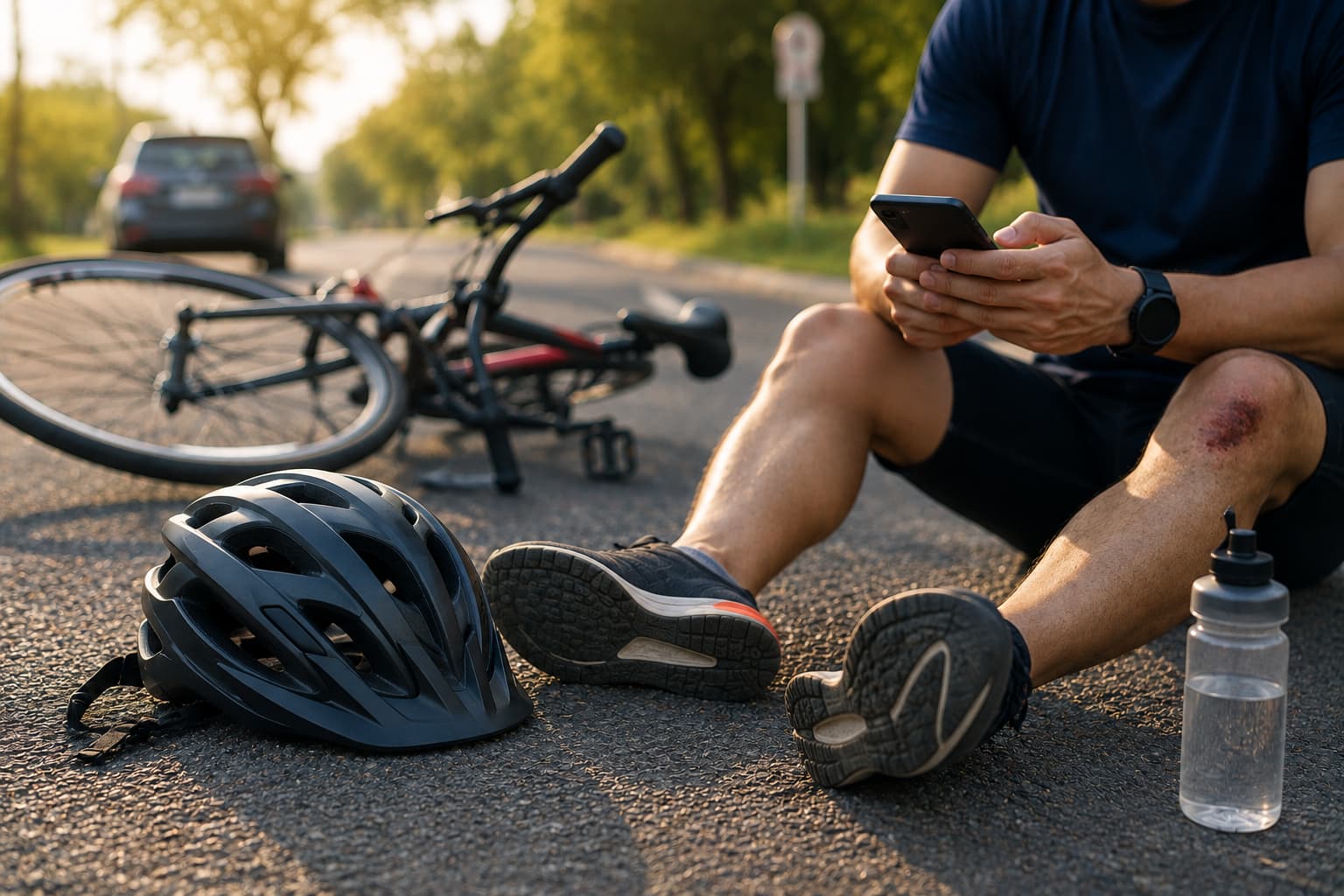
Confusion often sets in quickly after a cyclist hits the pavement or collides with a vehicle. Clear decisions made during the first few minutes can protect the rider’s health, preserve useful evidence, and prevent avoidable problems with an insurance claim. Knowing what to do after a bicycle accident makes it easier to respond calmly despite pain, traffic, and pressure from others at the scene.
Move Out of Traffic Without Disturbing More Than Necessary
Safety comes before photographs, witness details, or discussions about fault. Anyone who can move without worsening a suspected head, neck, or back injury should get away from active lanes, approaching cars, leaking fuel, or other immediate hazards.
Call Emergency Services and Report the Collision
Contacting 911 creates an official response and brings medical assistance to the scene. Dispatchers can send police and paramedics, manage traffic hazards, and record the time and location of the bike accident.
Officers may gather driver information, speak with witnesses, note visible injuries, and prepare a report. That document does not decide the entire claim, but it can preserve facts before memories change or the vehicles leave.
Accept Medical Attention Even if the Pain Feels Minor
Adrenaline can hide symptoms during the first hour after a bicycle crash. A rider may stand, talk, and walk normally while a concussion, fracture, internal injury, or soft-tissue condition is developing.
Exchange Information Without Debating Who Caused the Crash
Drivers and cyclists should exchange names, phone numbers, addresses, license details, vehicle information, and insurance coverage. Photographing a driver’s license, license plate, insurance card, and vehicle identification details can reduce the chance of transcription errors.
Arguments rarely produce useful evidence and may make an already tense scene worse. Brief, factual communication works better than accusations, apologies, or guesses about speed and right of way.
Photograph the Scene Before Conditions Change
Pictures can preserve details that disappear once traffic resumes, bicycles are moved, or debris gets cleared away. Wide images should show the roadway, intersection, bike lane, traffic signals, signs, parked vehicles, lighting, weather, and the positions of everyone involved.
Close photographs can document skid marks, broken parts, paint transfer, vehicle damage, torn clothing, helmet marks, road defects, and visible injuries. Multiple angles help explain how the bicycle accident happened to an adjuster, attorney, or expert who never visited the location.
Ask Witnesses for Contact Details While They Are Present
Bystanders may have seen a turn, lane change, open car door, red light, speeding vehicle, or distracted driver that the injured cyclist missed. Independent accounts become especially valuable when the driver and rider give different versions of the bike accident.
Names and phone numbers should be collected before witnesses continue on their way. A short voice note or written summary can also preserve what each person remembers, provided the witness agrees to the recording.
Protect the Bicycle, Helmet, and Damaged Personal Items
Physical evidence can reveal the direction and force of impact. Bent wheels, cracked frames, scraped pedals, torn bags, damaged lights, broken helmets, and marked clothing may help show where contact occurred.
Repairs should generally wait until the items have been photographed and reviewed. Throwing away a helmet or replacing damaged components too early may remove evidence that cannot be recreated later.
Record Symptoms and Follow Up After Leaving the Scene
Medical problems do not always appear immediately. Headaches, dizziness, nausea, stiffness, numbness, sleep trouble, weakness, or abdominal pain may develop hours or days after a bicycle crash.
Daily notes can track pain levels, medication use, missed work, limited movement, medical appointments, and activities the rider can no longer handle. Specific entries are more useful than general comments because they show how the injury changes over time.
Follow-up care gives doctors a chance to identify delayed symptoms and adjust treatment. Skipped appointments or long gaps may allow an insurer to argue that the injuries were mild, unrelated, or fully resolved.
Avoid Giving an Insurance Statement Before Understanding the Claim
Insurance adjusters often contact injured riders soon after a collision and may ask for a recorded statement. Early conversations can be difficult because the cyclist may still be in pain, lack medical answers, or remember only part of the event.
Simple comments can later be taken out of context. Saying that someone feels fine, did not see the vehicle, or might have been distracted does not always reflect what the evidence eventually shows.
Careful review before discussing fault or accepting payment can prevent an incomplete settlement. The Lackey Law Firm can examine reports, photographs, medical records, witness statements, insurance communications, and damaged equipment after a bicycle accident, helping injured riders understand what evidence matters and what steps may protect the value of their claim.