

Indoor humidity plays an important role in keeping your home comfortable and protecting its interior. When the air becomes excessively dry, you may experience irritated skin, dry eyes and static electricity. Too much moisture, meanwhile, can encourage condensation, mould growth and unpleasant odours. Maintaining balanced humidity helps create a healthier and more comfortable living environment.
Many homeowners focus on temperature control without considering how their heating and cooling systems influence indoor moisture. Seasonal changes, ventilation habits and everyday household activities can all affect humidity levels. Homeowners exploring heating services in Milton, WI can also seek professional advice about maintaining comfortable indoor conditions while keeping heating equipment operating efficiently.
Understanding the Right Indoor Humidity Levels
Relative humidity measures the amount of moisture in the air compared with the maximum it can hold at a particular temperature. For many homes, maintaining indoor relative humidity between 30% and 50% provides a practical starting point. However, the most suitable level depends on outdoor temperatures, building insulation and condensation risks.
During colder weather, indoor humidity may need to remain towards the lower end of this range to prevent condensation on cold windows. Homeowners considering heating services in Milton, WI should also understand that heating affects relative humidity by warming indoor air, even when the actual amount of moisture remains unchanged.
Signs Your Home Has Excessively Dry Air
Dry indoor air becomes particularly noticeable during colder months when heating systems operate frequently. Common signs include dry skin, irritated nasal passages, static electricity and wooden furniture developing small gaps. Although these symptoms can have other causes, persistent dryness may indicate that indoor humidity is lower than desirable.
A digital hygrometer provides a simple way to measure humidity rather than relying entirely on physical symptoms. Place it away from direct sunlight, heating vents and moisture-producing appliances for more representative readings. Monitoring different rooms can also reveal whether certain areas experience greater dryness than others.
How Excess Moisture Can Affect Your Home
High humidity creates different challenges. Condensation on windows, musty smells, damp patches and visible mould are common warning signs. Moisture can accumulate in bathrooms, kitchens, basements and poorly ventilated rooms, particularly where warm indoor air comes into contact with colder surfaces.
Ignoring persistent dampness can damage paintwork, wallpaper, timber and furnishings. It may also create conditions favourable to mould and dust mites. However, not every moisture problem results from indoor humidity alone. Plumbing leaks, inadequate insulation and water entering through building defects may also require investigation.
Improve Ventilation and Reduce Everyday Moisture
Everyday activities such as cooking, showering and drying clothes indoors release moisture into the air. Using extractor fans, keeping ventilation openings clear and covering pans while cooking can help reduce excess humidity. Where practical, drying laundry outdoors or using a properly vented appliance also limits indoor moisture.
Ventilation should be balanced with energy efficiency and outdoor conditions. Opening windows briefly may help remove moisture, but it is not always practical during extreme temperatures or humid weather. Mechanical ventilation systems can provide more consistent airflow, although their suitability depends on the property’s layout and existing equipment.
Choosing Between Humidifiers and Dehumidifiers
Humidifiers add moisture to indoor air and may help when humidity becomes excessively low. Portable models serve individual rooms, while whole-home systems can provide broader coverage through compatible HVAC equipment. However, adding too much moisture can encourage condensation, making proper controls and regular cleaning essential.
Dehumidifiers remove excess moisture and are useful in damp rooms or properties experiencing persistent high humidity. Portable units offer flexibility, while whole-home systems can manage moisture across larger areas. Neither option repairs leaks or structural dampness, so identifying the underlying cause remains important before purchasing equipment.
Maintain Heating and Cooling Systems for Better Humidity Control
Heating and cooling equipment can influence indoor humidity throughout the year. Air conditioners remove some moisture while cooling, whereas heating raises air temperature and lowers relative humidity without necessarily removing water vapour. Dirty filters, restricted airflow and poorly maintained components may also affect overall system performance.
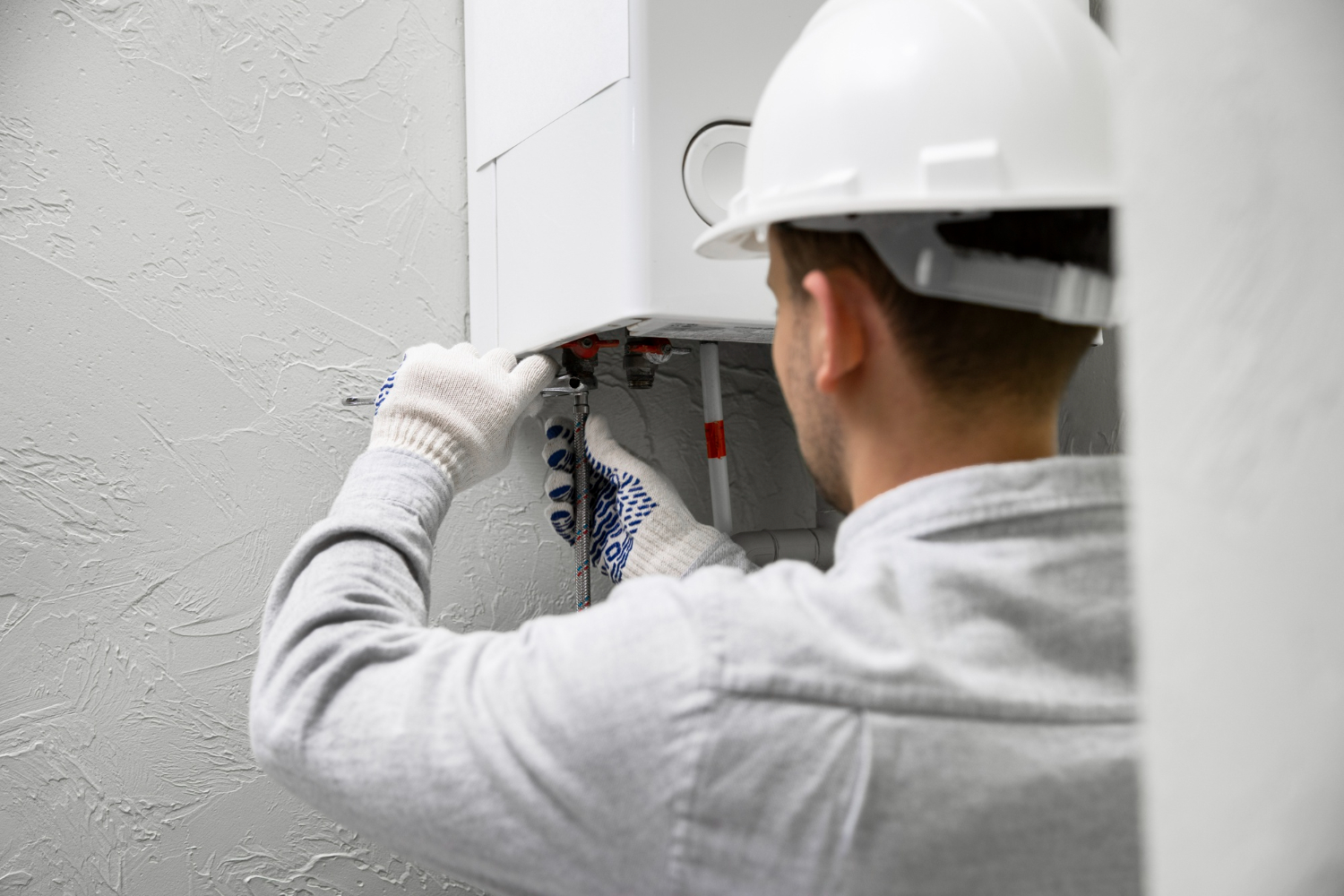
Regular HVAC maintenance helps support consistent temperature control and suitable airflow. Professional inspections can identify equipment faults, assess existing humidity controls and determine whether additional moisture-management equipment is appropriate. Combining routine servicing with humidity monitoring allows homeowners to make more informed decisions about indoor comfort.
Conclusion
Maintaining balanced indoor humidity requires understanding how temperature, ventilation and daily activities affect moisture levels. Dry air can create discomfort, while excessive humidity contributes to condensation and potential property damage. Monitoring conditions and addressing underlying problems are essential parts of effective household moisture management.
Start with simple measures such as using a hygrometer, improving ventilation and maintaining heating and cooling equipment. Where humidity problems continue, professional assessment can help identify suitable solutions. A balanced approach supports indoor comfort while protecting your home from avoidable moisture-related issues.