

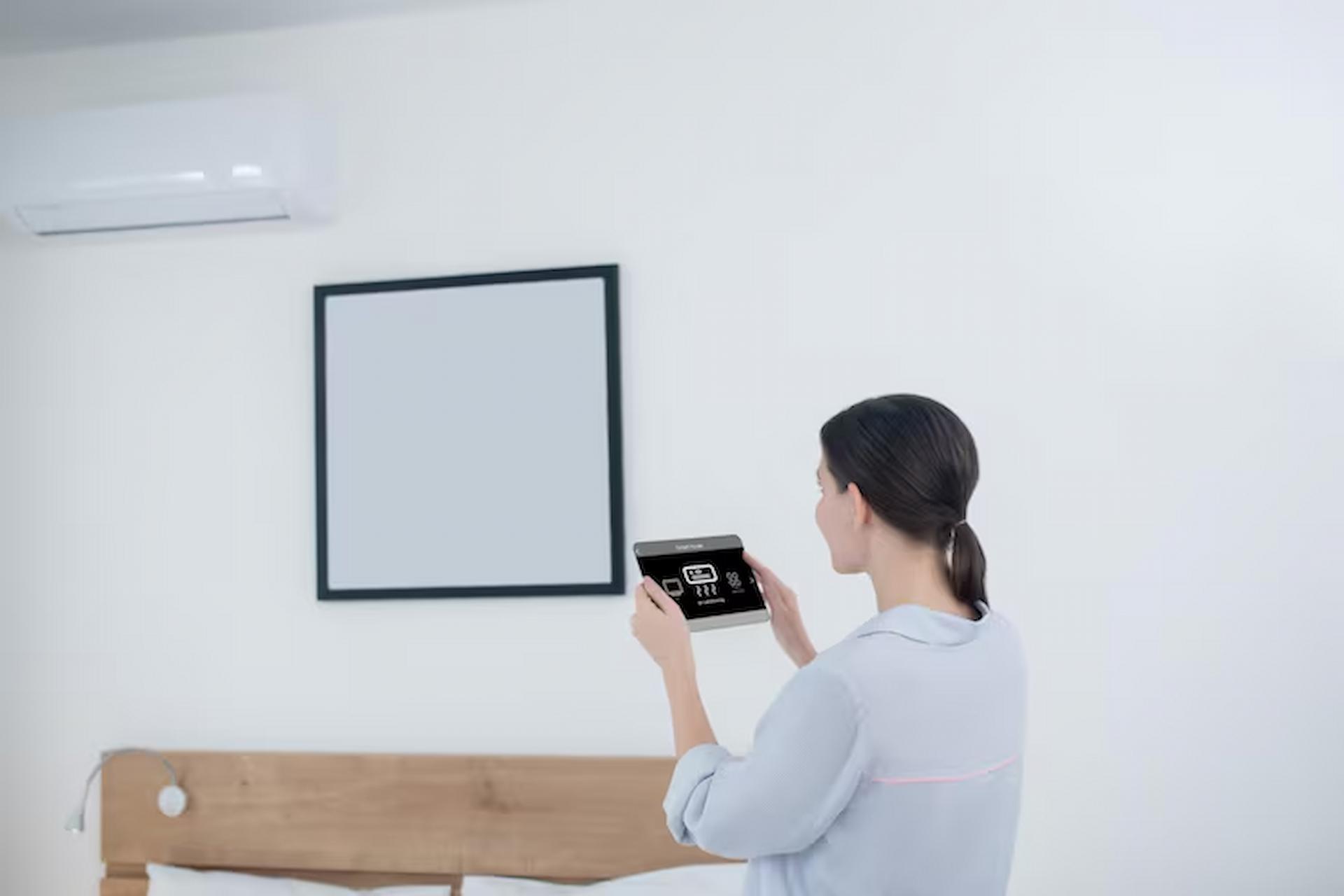
Modern homeowners are paying closer attention to energy efficiency, indoor comfort, and long term savings when upgrading their cooling systems. Older air conditioners often struggle to maintain steady temperatures, increase utility bills, and require frequent repairs. Smart replacement solutions offer improved technology, quieter performance, and better climate control. As energy costs continue to rise, more households are choosing advanced cooling systems that deliver greater efficiency and reliability throughout the year.
Many families searching for a dependable replacement for air conditioner in Katy, TX, are discovering the benefits of smart HVAC upgrades. Extreme summer temperatures place significant stress on aging systems, making replacement a practical investment for comfort and efficiency. Newer air conditioning units include intelligent features that improve airflow, reduce energy waste, and support healthier indoor air quality while lowering monthly operating costs.
Rising Energy Costs Are Driving HVAC Upgrades
Older air conditioners often consume more electricity because of worn components, outdated technology, and declining efficiency. Systems over ten years old may struggle to cool effectively without using excessive energy.
Why Efficiency Matters More Today
Energy-efficient air conditioning systems can significantly reduce household cooling expenses. Higher SEER ratings, variable speed compressors, and smart thermostat integration help homeowners maintain comfortable indoor temperatures while lowering power consumption. These improvements also reduce system strain, helping units operate more consistently during heavy summer demand.
Smart Technology Improves Home Comfort
Modern HVAC systems now include advanced technology that gives homeowners more control over indoor temperatures and airflow.
Features That Make Smart AC Systems Popular
Wi-Fi-enabled thermostats, zoning systems, humidity control, and mobile app monitoring allow homeowners to manage cooling performance remotely. These upgrades improve convenience while creating more balanced indoor comfort throughout the home.
Smart Cooling Features Include:
- Programmable temperature settings
- Remote access through mobile devices
- Energy usage monitoring
- Zoned cooling options
- Automatic maintenance alerts
- Improved humidity control
These features help households maintain comfort while reducing unnecessary energy use.
Frequent Repairs Often Signal It Is Time to Replace
Repairing an aging air conditioner repeatedly can become more expensive than investing in a modern replacement system. Older equipment may also struggle to keep up with rising cooling demands.
Homeowners seeking a long-lasting replacement for air conditioner in Katy, TX often make the switch after experiencing rising repair costs, uneven cooling, or declining system reliability. Upgrading to a modern HVAC system can improve performance immediately while reducing the likelihood of unexpected breakdowns during peak summer temperatures.
Indoor Air Quality Is Becoming a Higher Priority
Air conditioning systems influence more than temperature. They also affect humidity, ventilation, and indoor air cleanliness. Older systems may circulate dust, allergens, or inconsistent airflow throughout the home.
How New Systems Improve Indoor Air
Modern cooling equipment often includes advanced filtration technology and improved airflow management. Cleaner air circulation can help reduce allergens, control moisture, and improve overall home comfort.
Indoor Air Quality Benefits Include:
- Better filtration performance
- Reduced airborne dust
- Improved humidity management
- Cleaner airflow throughout the home
- Lower mold and mildew risk
- More consistent ventilation
These benefits are especially valuable for households with allergies or respiratory sensitivities.
Energy Efficiency Supports Long-Term Savings
Although replacing an air conditioner requires upfront investment, many homeowners recover costs through lower utility bills and reduced repair expenses over time.
Why New Systems Cost Less to Operate
High-efficiency HVAC systems cool homes more effectively while consuming less electricity. Variable speed motors and smart controls allow systems to adjust output based on indoor conditions instead of constantly running at full capacity.
In warmer climates, improved efficiency can make a noticeable difference in monthly cooling costs while reducing wear on system components.
Proper Sizing Is Essential for Performance
Choosing the right air conditioner size is critical for both comfort and efficiency. An oversized unit may short-cycle, while an undersized system may struggle to maintain desired temperatures.
Professional Load Calculations Matter
HVAC professionals evaluate square footage, insulation, window placement, airflow, and climate conditions before recommending replacement equipment. Proper sizing helps maximize energy savings, improve airflow, and maintain balanced temperatures throughout the home.
Correct installation also protects long term equipment performance and warranty coverage.
Smart Thermostats Add Greater Control
One major reason homeowners are upgrading HVAC systems is compatibility with modern thermostat technology.
Advantages of Smart Thermostats
Smart thermostats learn household temperature preferences and automatically adjust settings to improve efficiency. Many systems can also reduce cooling usage while homeowners are away, lowering unnecessary energy consumption.
Popular Smart Thermostat Benefits:
- Lower monthly utility bills
- Automatic scheduling
- Mobile control access
- Energy tracking reports
- Improved temperature consistency
- Reduced HVAC strain
These tools help homeowners balance comfort with energy savings more effectively.
Environmental Benefits Influence Replacement Decisions
Many homeowners now prioritize environmentally responsible home upgrades. Modern air conditioners often use eco-friendly refrigerants and improved energy technology that reduce environmental impact.
Sustainable HVAC Improvements
Efficient systems consume less electricity, lowering greenhouse gas emissions associated with household cooling. Many new models also comply with updated environmental standards that improve long term sustainability.
Replacing outdated equipment can therefore support both financial and environmental goals simultaneously.
Choosing the Right HVAC Installation Team
The quality of installation directly affects system efficiency, reliability, and performance. Even high-efficiency equipment can underperform if improperly installed.
What Homeowners Should Look For
Licensed HVAC professionals should provide load calculations, explain equipment options clearly, inspect ductwork, and ensure proper airflow calibration. Experienced installers also help homeowners understand maintenance schedules and warranty requirements.
Reliable installation protects energy efficiency and helps maximize equipment lifespan.
Conclusion
Homeowners are increasingly switching to smart air conditioner replacement solutions because of rising energy costs, improved technology, and greater demand for indoor comfort. Modern HVAC systems offer better efficiency, enhanced air quality, quieter operation, and advanced smart controls that support long-term savings. By investing in properly sized equipment and professional installation, households can reduce utility expenses while improving cooling reliability. Smart replacement decisions not only create a more comfortable home environment but also provide better energy performance and dependable comfort for years to come.