

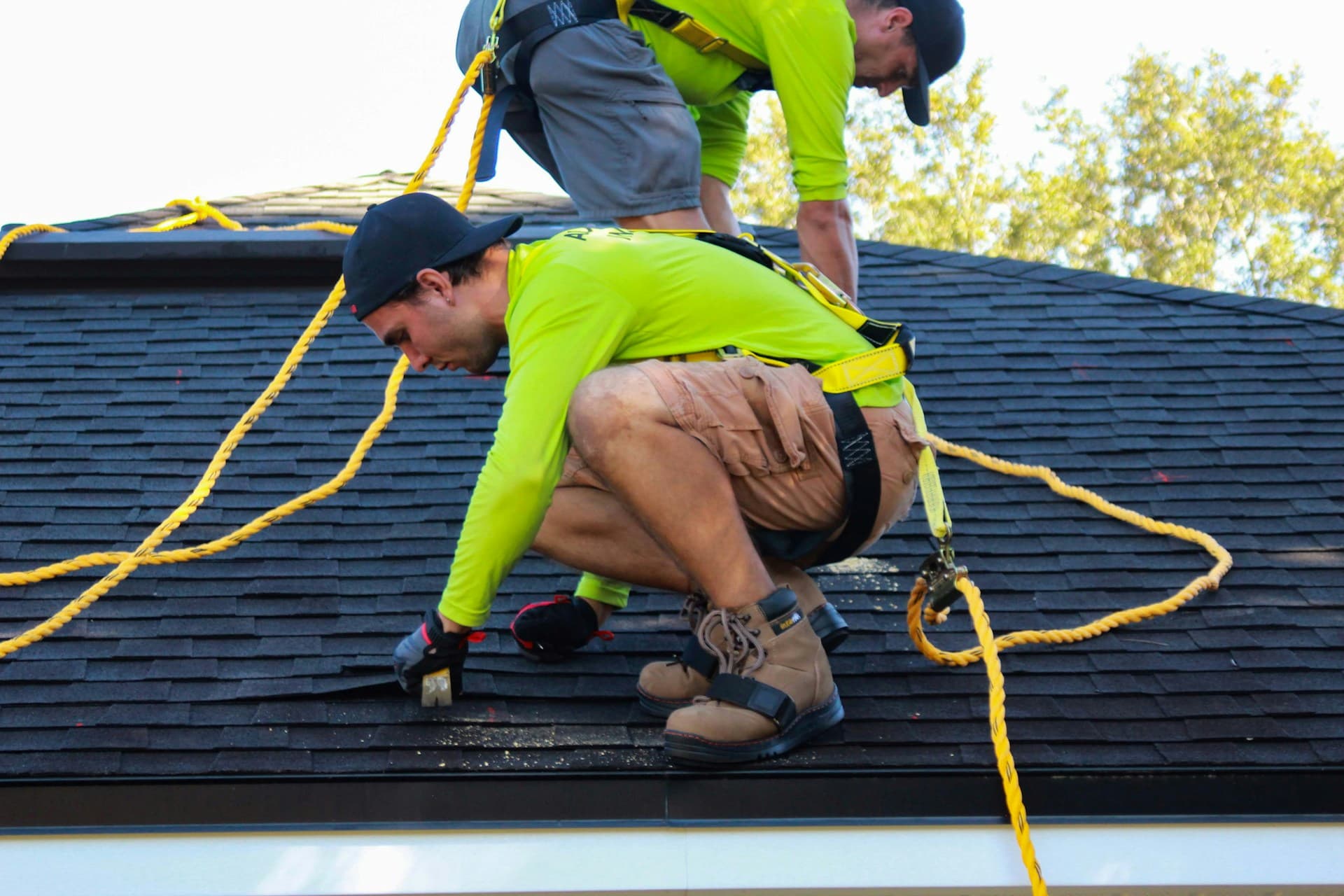
Before a new roof is installed, performance expectations are defined long before the first shingle is laid. Wind resistance, in particular, is not determined by a single product but by how the entire system is designed, assembled, and secured. In Trussville roofing projects, compatibility checks ensure that every component works together to meet wind-rating standards and withstand real-world conditions.
Matching Manufacturer Wind Ratings to Local Exposure Conditions
Wind ratings provided by manufacturers are based on controlled testing, but actual performance depends on site-specific conditions such as terrain, elevation, and surrounding structures. Roof contractors evaluate these factors to determine whether a product’s rating aligns with the home’s exposure level.
In practice, local conditions can increase or decrease the stress placed on roofing materials. Roof contractors in Trussville AL assess wind zones and environmental influences before recommending a system. This ensures that the selected materials are not only rated appropriately but also suited to the realities of the installation location.
Verifying Roof Deck Integrity Before System Installation
A roof’s ability to resist wind uplift begins with the deck beneath it. Weak or compromised decking can undermine even the highest-rated materials, allowing movement that leads to failure under pressure.
Structural integrity must be confirmed before installation proceeds. Roof companies in Trussville AL inspect the deck for signs of deterioration, moisture damage, or insufficient fastening. Reinforcing or replacing sections when necessary provides a stable foundation for the roofing system and supports its wind resistance.
Evaluating Fastener Type, Placement, and Pull-Out Strength
Fasteners play a critical role in securing roofing materials against wind forces. The type of fastener, its placement, and its ability to resist pull-out all contribute to the system’s overall performance.
Improper fastening can reduce wind resistance significantly. Roof contractors analyze manufacturer guidelines and adjust fastening patterns based on roof design and local conditions. For homeowners searching roofing near me, understanding how fasteners are selected helps explain why installation quality is just as important as material choice.
Assessing Underlayment and Adhesive Compatibility for Uplift Resistance
Underlayment and adhesives provide an additional layer of defense against wind uplift. These components help create a continuous barrier that supports the outer roofing materials and reduces the risk of separation.
Compatibility between layers is essential for consistent performance. Roof companies near me often evaluate how underlayment interacts with shingles or panels to ensure proper adhesion. In roofing in Trussville AL, selecting the right combination of materials helps maintain system integrity under high-wind conditions.
Reviewing Edge Details and Perimeter Reinforcement Strategies
Roof edges are among the most vulnerable areas during high winds. Improperly secured edges can allow wind to enter beneath the roofing system, increasing uplift pressure and leading to damage.
Attention to perimeter details improves overall resistance. Roof contractors in Trussville AL reinforce edges with specialized components and installation techniques designed to withstand wind forces. These measures help protect the most exposed parts of the roof and prevent progressive failure.
Integrating Gutter Systems Without Compromising Wind Performance
Gutter systems must be installed in a way that supports water management without interfering with the roof’s wind resistance. Improper attachment or alignment can create additional stress points along the roof edge.
Coordination between roofing and drainage systems is essential. Gutter installation in Trussville AL is often planned alongside roofing work to ensure compatibility. For those searching gutter installation near me, understanding this integration helps maintain both drainage efficiency and structural performance.
Confirming Installation Methods Align With Wind Warranty Requirements
Manufacturer warranties often include specific installation requirements that must be met to maintain wind coverage. Deviating from these guidelines can void the warranty and reduce protection against future issues.
Adhering to these standards ensures that the system performs as intended. Roof companies in Trussville AL follow detailed installation protocols to align with warranty conditions. This approach provides homeowners with confidence that their roofing system meets both performance and coverage expectations.
Wind-rating compatibility checks are a critical part of building a reliable roofing system. Each component, from the deck to the fasteners and edges, contributes to how the roof performs under pressure. Yellow Hammer Roofing provides experienced solutions for homeowners seeking roofing in Trussville AL, helping ensure that every installation is designed with durability, precision, and long-term performance in mind.