

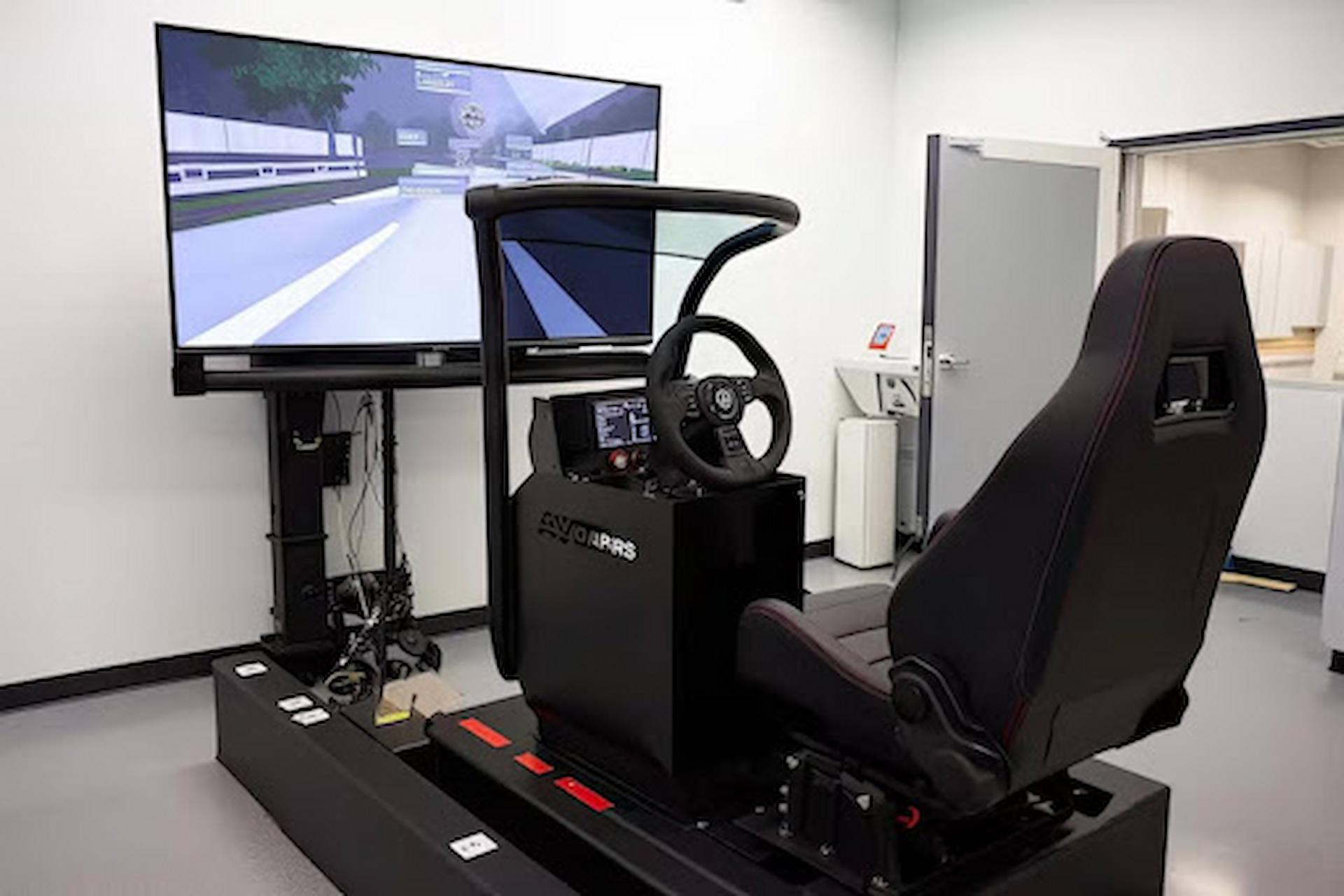
Sim racing equipment delivers peak performance only when it is properly maintained. Dust, heat, and poor handling quietly reduce accuracy and lifespan over time. This guide explains how consistent care, smart setup choices, and simple maintenance habits can protect your investment and keep your racing experience smooth, reliable, and immersive for years.
Sim racing equipment is built for precision, not neglect. Every steering input, pedal press, and gear shift relies on finely tuned components working in harmony. Without proper care, even premium hardware can lose responsiveness, develop faults, or fail prematurely. Regular maintenance protects performance, preserves realism, and avoids unnecessary replacement costs.
Whether you are using an entry-level setup or a more advanced rig, longevity depends on consistent habits. From correct mounting to routine cleaning, small actions have a significant impact. Sim racers using performance bundles like Moza R3 reduce common reliability issues by making maintenance a consistent part of their routine.
Understanding Wear and Stress in Sim Racing Hardware
Mechanical and Electronic Strain Explained
Sim racing equipment experiences repeated stress in short intervals. Force feedback motors generate heat, pedal springs compress thousands of times, and electronic sensors continuously translate physical movement into digital signals. Over time, this constant activity creates wear in bearings, connectors, and internal circuits.
Heat buildup is one of the most common causes of long-term degradation. Motors and control boards perform best within specific temperature ranges. Poor ventilation or extended sessions without breaks accelerate internal wear, even if the equipment appears to function normally.
Proper Installation as the Foundation of Longevity
Why Secure Mounting Reduces Damage
Incorrect installation places uneven stress on components. A loosely mounted wheel base or pedals that shift during braking can strain internal mounts and wiring. Secure mounting ensures forces are distributed as designed, protecting internal structures.
Alignment also matters. Wheels should be centred and pedals positioned ergonomically to avoid unnecessary lateral force. Over time, misalignment can affect sensor calibration and reduce precision, especially in high-feedback systems.
Cleaning Practices That Protect Performance
Dust, Sweat, and Long-Term Damage
Dust accumulation interferes with cooling and can enter sensitive mechanical areas. Sweat and skin oils transferred from hands can degrade grips and buttons if left uncleaned. Gentle, regular cleaning prevents these issues from compounding.
Use dry microfibre cloths for external surfaces and avoid aggressive cleaning agents. Lightly dampened cloth may be used on grips, but moisture should never reach seams or electronic openings. Consistent light cleaning is safer than infrequent deep cleaning.
Managing Heat and Ventilation Effectively
Keeping Internal Components Stable
Adequate airflow is essential. Wheel bases and power units should never be enclosed in tight spaces. Heat needs room to dissipate naturally. Elevated temperatures reduce motor efficiency and shorten component lifespan.
Spacing your equipment away from walls and ensuring clear ventilation paths helps maintain stable performance. During long sessions, short breaks allow internal temperatures to normalise without affecting immersion or focus.
Cable Care and Connection Stability
Preventing Signal Loss and Internal Breaks
Cables are often overlooked yet vital. Poor cable management leads to strain at connection points, which can cause intermittent input loss or complete failure over time. Cables should follow relaxed curves rather than sharp bends.
Disconnecting hardware by pulling cables instead of connectors accelerates wear. Proper handling preserves internal solder joints and ensures consistent data transfer between components and your system.
Firmware Updates and Software Calibration
Digital Maintenance Is Physical Protection
Firmware updates do more than add features. They often improve thermal management, sensor accuracy, and motor control algorithms. Staying current helps hardware operate within safe limits defined by the manufacturer.
Regular recalibration ensures sensors respond accurately and do not operate outside intended ranges. In the middle of a season or after equipment relocation, recalibration maintains the performance standards expected from systems like Moza R3 without placing excess stress on components.
Safe Usage Habits That Extend Equipment Life
Avoiding Overuse and Misuse
Aggressive force feedback settings may feel immersive but can accelerate wear if used continuously at maximum levels. Balanced settings provide realism while respecting mechanical limits.
Power cycling equipment properly also matters. Always shut down systems before disconnecting power. Sudden power loss can stress electronic components and corrupt firmware over time.
Storage and Environmental Considerations
Protecting Equipment Between Sessions
When not in use, equipment should be stored in a clean, dry environment. Humidity encourages corrosion, while extreme temperatures affect plastics and electronics.
Covering your setup prevents dust accumulation and reduces exposure to ambient moisture. Even when permanently mounted, simple protective measures significantly slow environmental wear.
Long-Term Maintenance Scheduling
Consistency Over Complexity
Effective maintenance does not require technical expertise. Scheduling brief monthly inspections helps identify loose bolts, worn cables, or ventilation blockages before they cause failures.
Listening for unusual sounds, monitoring temperature changes, and noting reduced responsiveness allows early intervention. This approach ensures equipment remains reliable without disrupting racing time.
Conclusion
Maintaining sim racing equipment is an investment in consistency, immersion, and reliability. Secure installation, proper cleaning, heat management, and thoughtful usage habits collectively extend hardware lifespan. These practices prevent avoidable damage and preserve performance quality across seasons.
High-performance systems reward attentive care. By applying structured maintenance routines and respecting operational limits, users ensure their equipment continues to deliver precision and realism. Whether maintaining a complete rig or a focused bundle such as Moza R3, longevity is achieved through discipline, awareness, and regular attention rather than reactive repairs.