

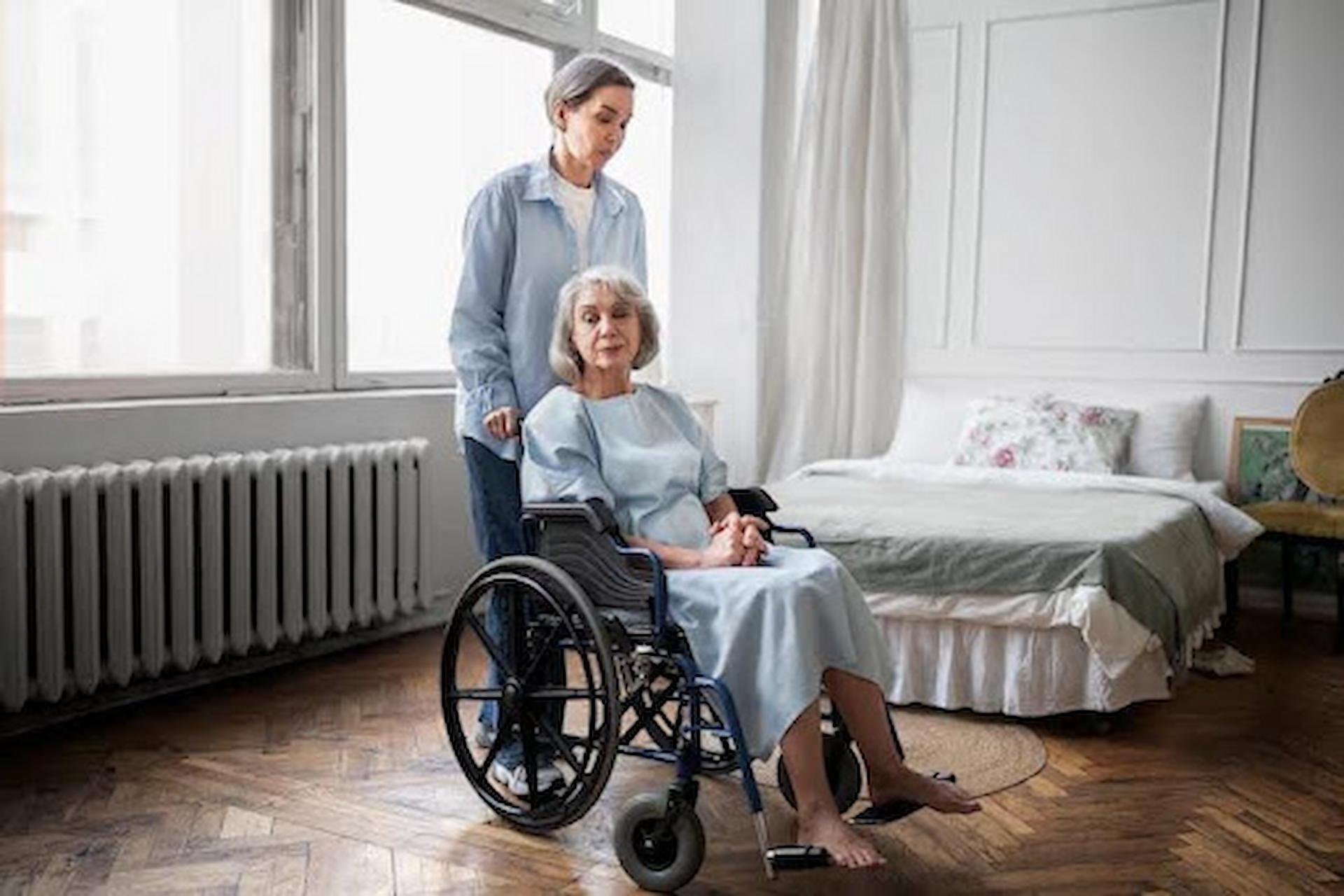
Quietly and consistently, technology is reshaping daily life in residential care. From safer environments to more personalised support, digital tools now play a central role in how care teams respond, adapt, and plan. The result is care that feels more attentive, responsive, and reassuring for everyone involved.
Technology has become a practical partner in modern care settings. What once relied heavily on paper records, manual checks, and routine schedules is now supported by digital systems that help staff focus more time on people, not processes. Across the UK, including care homes in Hemel Hempstead, technology is being adopted thoughtfully to improve safety, comfort, and overall quality of life for residents.
Rather than replacing human care, technology strengthens it. It helps carers notice small changes sooner, coordinate better with colleagues, and tailor support to individual needs. For families, it brings reassurance and transparency. For residents, it often means greater independence, dignity, and consistency.
Digital Care Records and Smarter Information Sharing
Moving Beyond Paper-Based Systems
Electronic care records are now widely used to replace handwritten notes. These systems allow staff to log care activities, medication, nutrition, and wellbeing updates in real time. Information is stored securely and can be accessed instantly by authorised team members.
This shift reduces errors caused by missing or unclear notes. It also ensures continuity of care, especially during shift changes. When everyone works from the same up-to-date information, residents benefit from more consistent support.
Supporting Better Decision-Making
Digital records help teams spot patterns. For example, changes in appetite, sleep, or mobility can be reviewed over time rather than relying on memory. Early awareness allows staff to respond sooner, often preventing small issues from becoming larger concerns.
Technology That Enhances Safety and Peace of Mind
Intelligent Monitoring Systems
Many care homes now use discreet monitoring tools designed to support safety without intruding on privacy. These may include bed sensors, movement alerts, or wearable devices that notify staff if assistance may be needed.
Such systems are particularly valuable at night or for residents with higher fall risks. Alerts allow staff to respond quickly while still respecting residents’ personal space.
Secure Access and Environment Controls
Digital door entry systems and controlled access points help keep residents safe while allowing freedom of movement within appropriate areas. These tools are designed to reduce risk without creating a restrictive atmosphere.
Improving Medication Management Through Technology
Reducing Errors and Improving Accuracy
Medication management software helps ensure the right medication is given at the right time and in the correct dose. Digital prompts, scanning systems, and automated records reduce reliance on memory and manual checks.
This approach lowers the risk of missed or duplicated doses and provides a clear audit trail for accountability.
Clear Communication Across Care Teams
When medication changes are recorded digitally, all relevant staff are informed immediately. This reduces confusion and ensures residents receive consistent care, even when multiple carers are involved.
Supporting Independence and Daily Comfort
Assistive Technologies in Everyday Life
Simple technologies can make a meaningful difference to daily living. Adjustable beds, voice-controlled lighting, and easy-to-use communication devices help residents maintain independence where possible.
These tools are not about complexity. They are designed to remove small barriers that can otherwise lead to frustration or reliance on constant assistance.
Personalised Room Controls
Technology also allows residents to personalise their space. Temperature controls, entertainment systems, and lighting preferences can often be adjusted easily, supporting comfort and a sense of ownership over their environment.
Strengthening Communication With Families
Transparent Updates and Reassurance
Digital platforms make it easier for care teams to share updates with families when appropriate. This may include wellbeing summaries, activity participation, or general progress notes.
For families who cannot visit regularly, this visibility offers reassurance that their loved one is receiving attentive and thoughtful care.
Better Coordination With Health Professionals
Technology also supports communication with external healthcare providers. Sharing accurate, up-to-date information helps ensure smoother coordination during appointments, reviews, or changes in care plans.
Technology and Social Engagement
Staying Connected
Digital devices enable residents to stay in touch with family and friends through video calls, messaging, or shared online activities. For many, this connection supports emotional wellbeing and reduces feelings of isolation.
Staff often provide guidance and support to ensure technology feels accessible rather than intimidating.
Activities and Cognitive Stimulation
Tablets and interactive screens are sometimes used for games, music, and creative activities designed to support memory, focus, and enjoyment. These tools are most effective when used flexibly and tailored to individual interests.
Data Security and Ethical Use of Technology
Protecting Privacy
With increased use of digital systems comes responsibility. Care providers must ensure data is stored securely and accessed only by authorised individuals. Clear policies and staff training are essential.
Residents’ dignity and consent remain central. Technology is used to support care, not to monitor unnecessarily.
Balancing Technology With Human Care
Effective care homes understand that technology should never replace personal interaction. The most successful approaches use digital tools to free up staff time, allowing more meaningful engagement with residents.
Practical Takeaways for Families and Care Providers
- Look for care settings that use technology to support care quality, not to create distance
- Ask how digital records improve communication and continuity of care
- Check how safety technologies respect privacy and independence
- Ensure staff are trained and confident in using digital systems
- Prioritise environments where technology enhances, rather than dominates, daily life
A Measured Step Forward in Care Delivery
Technology in care homes is not about dramatic change. It is about steady improvement. When used thoughtfully, it supports safer environments, clearer communication, and more personalised care. Residents benefit from consistency and comfort, while staff gain tools that help them work more effectively.
Across the sector, including care homes in Hemel Hempstead, the focus remains on people first. Technology simply helps ensure that care is delivered with greater insight, accuracy, and responsiveness.
Conclusion
The future of residential care lies in balance. Technology continues to evolve, but its true value depends on how it is used. When digital tools support carers rather than replace them, the result is care that feels more attentive and human, not less. Residents experience safer surroundings, clearer routines, and greater independence, while families gain reassurance through transparency and communication.
As expectations around care continue to rise, providers who invest wisely in technology are better placed to respond with confidence. For families exploring options, asking how technology supports daily care can offer valuable insight into a home’s approach and priorities.
If you are considering care homes in Hemel Hempstead, look beyond facilities alone. Explore how modern tools are used to enhance dignity, safety, and quality of life. Thoughtful technology, combined with compassionate care, creates an environment where residents can truly feel supported every day.