


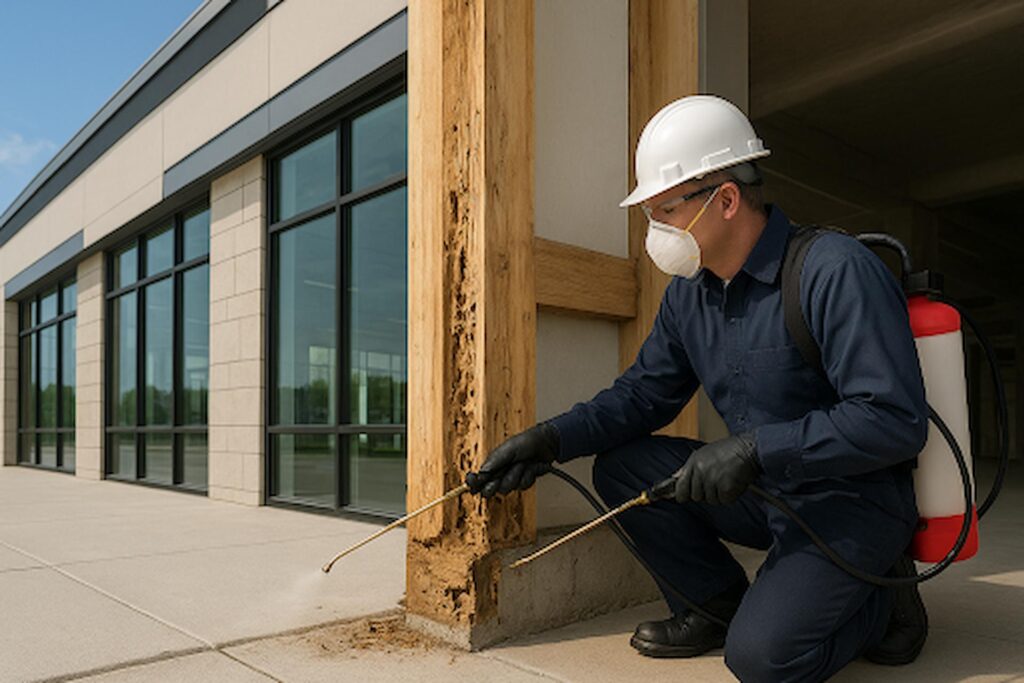
Termites are among the most destructive pests that commercial properties face. Their activity is often silent, persistent, and expensive to correct once the damage has spread. For many business owners, the real threat is not only the cost of repairs but also the disruption to operations and the long-term impact on property value. Commercial Termite Pest control services help prevent these problems by providing early detection, targeted treatment, and continuous prevention strategies that keep structures sound and businesses running smoothly.
This guide explains how termites affect commercial buildings, how professional services work, and why long-term prevention is a smart business decision. It also offers practical insight to help you understand what to expect when choosing a pest control partner.
Why Termites Pose a Serious Risk to Commercial Properties
The scope of termite damage
Termites feed on cellulose, which is found in wood and building materials that contain plant fibers. Over time, they can weaken walls, beams, flooring, and structural supports. According to industry estimates, property owners in the United States spend billions of dollars each year on termite damage. A portion of these losses comes from commercial buildings that were not regularly inspected or treated.
Unlike pests that leave visible signs, termites often operate inside walls and underground. Their colonies can grow unnoticed for years. By the time visible damage appears, the structure may already be compromised. Commercial Termite Pest Control Services aim to catch these problems early, before the financial impact becomes severe.
Different property types face distinct risks
Termites do not limit themselves to one type of building. Any property with wood, paper materials, or moisture buildup can attract them. High-risk commercial structures include:
- Warehouses with wooden pallets or stored cardboard
- Retail stores with service doors that allow soil contact or moisture intrusion
- Restaurants and food facilities with plumbing lines that create damp areas
- Multi-unit complexes with shared walls
Because each setting is unique, treatment strategies need to be tailored to the property, climate, age of the structure, and construction materials.
Common Termite Species That Affect Businesses
Subterranean termites
These termites build colonies underground and need constant moisture. They are known for creating mud tubes to access food sources inside a building. They are the leading cause of termite damage in the United States.
Drywood termites
Drywood termites nest directly in the wood they consume. They do not require soil contact, which means they can affect upper floors, furniture, attic spaces, and wooden fixtures.
Dampwood termites
These termites thrive in environments with excess moisture. Leaking pipes, clogged gutters, and poor drainage can create ideal conditions for them to enter a building.
Understanding which species is active helps determine the correct treatment. Professional technicians identify the species during inspection and design a plan that matches the behavior and risks associated with each type.
Signs a Commercial Property May Have a Termite Problem
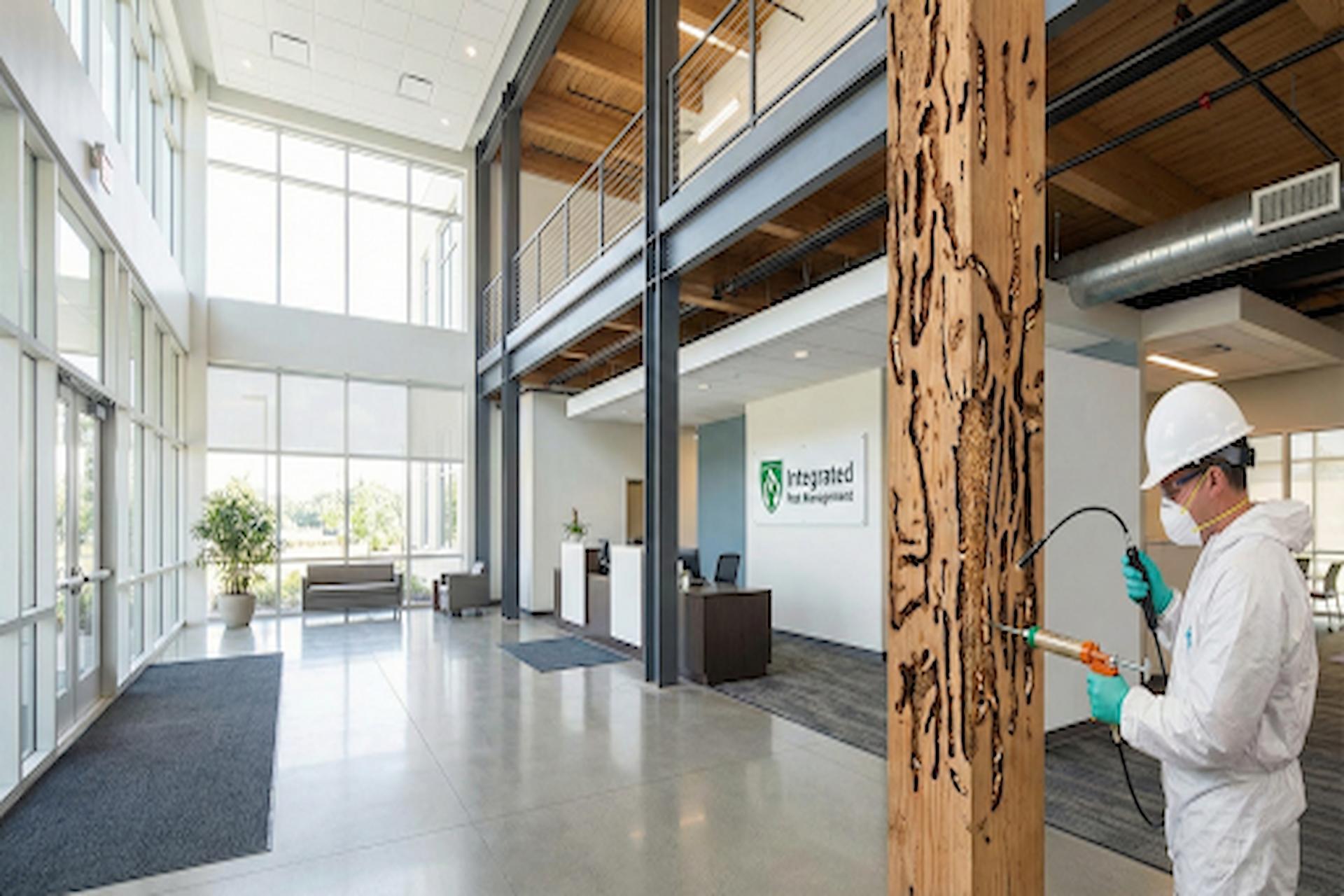

Most owners discover termite issues after the damage becomes visible. Early recognition can save time, money, and business continuity. Some of the most common signs include:
- Wood that sounds hollow when tapped
- Paint that bubbles or appears uneven
- Mud tubes on exterior walls
- Wings near windows or door frames
- Pin-sized holes in drywall
- Droppings that look like fine pellets (a sign of drywood termites)
If any of these appear, it is important to contact a professional service promptly. Commercial Termite Pest Control Services can perform a thorough inspection and determine the extent of the problem.
What Professional Commercial Termite Pest Control Services Include
Detailed property inspection
An inspection is the first step. Trained technicians examine both the interior and exterior of the building. They use tools that help detect activity inside walls, under flooring, and in hidden spaces where termites commonly gather.
A quality inspection includes:
- A review of structural vulnerabilities
- Identification of moisture problems
- Access point mapping
- Termite species identification
- Documentation for owners and managers
Treatment planning
Once the inspection is complete, the pest control team prepares a treatment plan. This plan is built around the property’s layout, level of infestation, and long-term prevention goals.
Plans typically include:
- Direct treatment of active colonies
- Protection of high-risk zones
- Prevention barriers to stop future activity
- Repair considerations if damage is found
Using these details, the service provider selects the most effective control method.
Treatment Options for Commercial Termite Control
Liquid barrier treatments
These treatments create a protective zone that prevents termites from crossing into the building. Technicians apply products around the perimeter of the property or directly into soil along the foundation. Liquid barriers stop current termites and discourage new ones from approaching.
Baiting systems
Baiting systems attract termites to monitored stations placed strategically around the property. Once termites feed on the bait, they carry it back to the colony. Over time, the colony declines. Baiting works well for long-term prevention because it continues to operate after installation.
Wood treatments
For structures with exposed beams or wooden components, wood treatments can be used to protect or eliminate termite activity. These applications penetrate the wood and help prevent future infestations.
Fumigation (used in extensive drywood termite cases)
In cases where drywood termites are widespread within the structure, fumigation may be recommended. Although more disruptive, it can be effective for infestations that extend into hard-to-access areas.
Commercial Termite Pest Control Services select the safest and most strategic method for each property. Factors such as business hours, customer presence, and staff safety are always considered during planning.
The Importance of Ongoing Prevention
Treating termites once does not guarantee permanent protection. Commercial structures often have features that naturally attract termites. These include landscaping along the foundation, moisture from plumbing, or wooden support elements.
Preventive inspections
Most providers recommend quarterly or annual inspections. Preventive checks catch new activity early and help maintain the health of the building.
Monitoring systems
Bait stations and other monitoring tools allow technicians to watch for signs of termite movement. These systems provide early warnings long before visible damage occurs.
Moisture management
Professional teams often advise on structural improvements to reduce moisture buildup. These can include repairing plumbing leaks, improving drainage, sealing utility lines, or adding ventilation.
Staff education
In some cases, business owners benefit from basic staff awareness training. For example, employees can learn what signs to watch for in storage rooms, basements, or break areas.
Regular prevention helps maintain long-term property integrity and reduces the likelihood of major structural repairs.
How Termite Damage Impacts Business Operations
Costly structural repairs
Termites can cause thousands or even hundreds of thousands of dollars in damage. Repairs may involve replacing beams, flooring, drywall, and insulation. These expenses can strain operating budgets and disrupt financial planning.
Business downtime
During treatment or repair, businesses may need to limit operations or close temporarily. This can affect revenue, customer experience, and staff productivity. Addressing termite threats before they spread helps avoid these interruptions.
Compliance and safety concerns
Buildings with significant damage may be considered unsafe. Commercial landlords, restaurant owners, and healthcare providers must follow strict building codes. Termite issues that go unaddressed may lead to compliance violations or safety risks.
Loss of asset value
Commercial real estate depends on structural integrity. A building with termite history or visible damage can lose value. Ongoing Commercial Termite Pest Control Services protect the long-term financial stability of the asset.
Choosing a Reliable Commercial Termite Control Provider
Selecting the right pest control partner is essential. A thorough provider will bring experience, transparent communication, and reliable reporting.
Key qualities to look for
- Licensing and certification: Ensure the company is certified and follows state requirements.
- Experience with commercial buildings: Commercial properties have different needs from residential homes.
- Clear documentation: Reports, diagrams, and treatment plans should be detailed and easy to understand.
- Safe and compliant products: Materials should follow relevant regulations and support a safe environment for workers and customers.
Questions to ask
- What type of termite species are most common in this region?
- How often do you recommend inspections for this property type?
- What treatments are safest for employees and customers?
- Can you provide a long-term prevention plan?
These questions help business owners compare providers and make informed decisions.
The Financial Value of Investing in Professional Termite Control
Many owners hesitate to sign up for ongoing protection, but preventive services often cost far less than repairing structural damage. Commercial Termite Pest Control Services offer benefits that go beyond immediate pest removal.
Cost savings
Early detection reduces repair expenses. Barrier treatments and baiting systems help prevent future outbreaks, giving businesses predictable maintenance costs instead of unexpected losses.
Insurance considerations
Most insurance policies do not cover termite damage. This makes routine inspections and preventive work even more critical.
Peace of mind
Knowing that your building is protected allows you to focus on daily operations rather than hidden structural risks.
How to Support Termite Prevention Internally
While professional services play the most important role, business owners and facility managers can support termite prevention with simple practices.
Maintain landscaping
Avoid placing mulch directly against the building and trim plants that touch exterior walls. Remove dead wood, old lumber, and debris from around the property.
Store materials correctly
Keep cardboard, paper items, and wooden pallets off the ground and away from walls to reduce access points.
These steps complement professional inspections and reduce the likelihood of infestation.
The Role of Technology in Modern Termite Control
Termite control has advanced significantly in recent years. Providers use technology to improve accuracy, efficiency, and long-term prevention.
Advanced monitoring stations
Modern baiting systems offer precise activity tracking. Some feature electronic sensors that alert technicians to movement around the property.
Moisture detection tools
Moisture meters and heat detection devices help identify the exact areas where termites gather.
Technology continues to improve results and helps providers deliver more accurate and preventive care.
Conclusion
Termites may seem like a hidden threat, but their impact on commercial buildings is real and expensive. Protecting your property requires more than occasional checks. It takes consistent attention, professional expertise, and a long-term plan that keeps your building strong and safe.
Commercial Termite Pest Control Services provide the inspection, treatment, and ongoing monitoring that businesses need to safeguard their investments. Whether your property is a warehouse, office, restaurant, or multi-unit complex, professional termite control helps maintain structural integrity, prevent unexpected repairs, and protect the health of your business for years to come.
By investing in prevention and partnering with a qualified provider, you build a stronger defense against one of the most damaging pests in the commercial world.